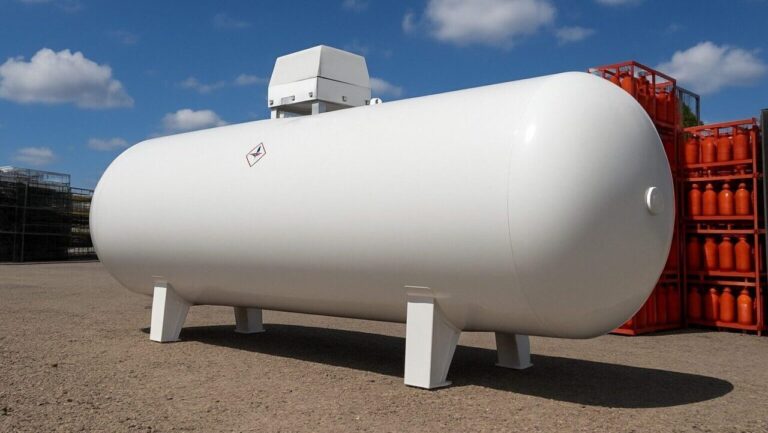
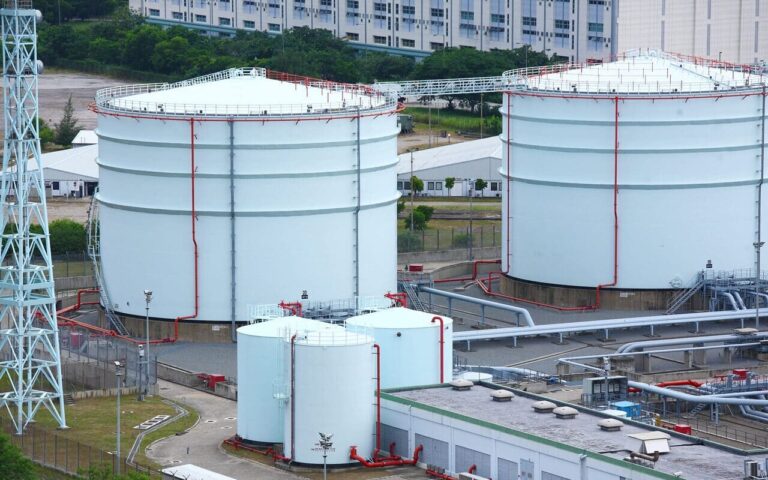
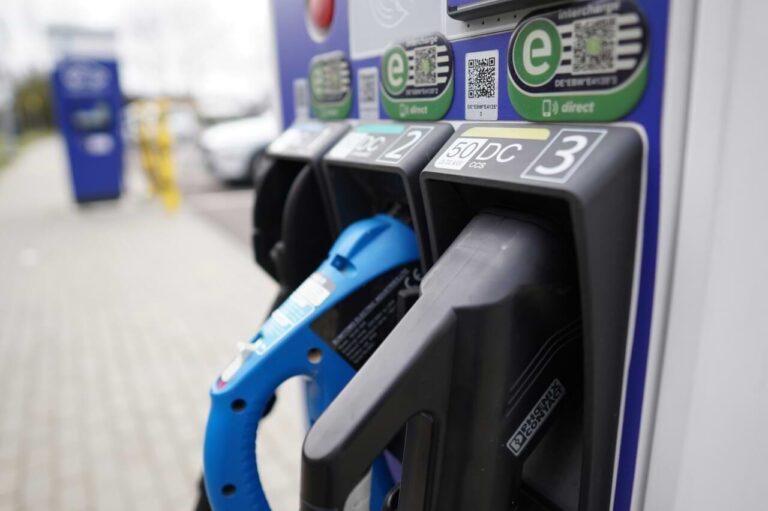
Autogas (or LPG – liquefied petroleum gas) stations are used at fuel and energy stations as an alternative form of energy for motor vehicles. Autogas stations include tanks, refueling pumps, safety systems, and shut-off valves.
They are governed by strict technical and regulatory requirements, with the aim of ensuring their safe and proper operation. The inspection and certification of Autogas station is a legal requirement.
Ergocert provides inspection and certification services for Autogas stations, thus contributing to the protection of human resources, the environment, and consumers.
AUTOGAS Stations Legislative Framework
The requirements for the inspection and certification of Autogas (LPG) stations are defined by national legislation (FEK 477/B/1993, FEK 1221/B/2009) and the following:
- PED Directive 2014/68/EU: Pressure Equipment Directive
- EN 14678-1 and EN 14678-2 standards: LPG filling stations and refueling systems
Inspection & Certification of AUTOGAS Stations
Ergocert's inspection and certification services for Autogas stations include:
- Checking the technical file and safety studies
- Inspection of tanks, pipes, pumps, and other pressure equipment
- Checking compliance with marking requirements, protective measures, and electrical installations in explosive environments (ATEX)
- Functional tests and measurements to ensure compliance with the PED Directive and relevant European standards and national legislation
Initial Certification or Conversion of Existing Autogas Stations
Specifically, in the case of a new Autogas station, we provide Initial Construction Certification in accordance with the PED Directive.
Similarly, in the case of conversion or modification of an existing Autogas station, we provide conversion certification in accordance with the PED Directive and/or a Certificate of Safe and Proper Operation of the facility.
Relevant Documents
General Inspection Regulation