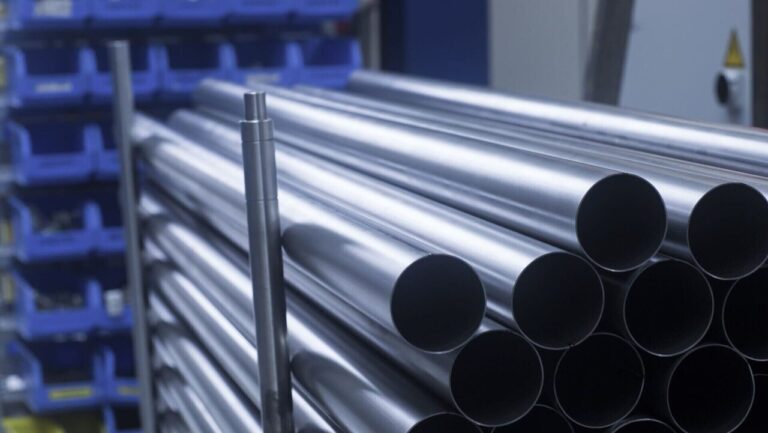
High, Medium and Low Pressure Natural Gas Networks
Ergocert Hellas S.A. offers comprehensive inspection and certification services for natural gas networks and installations in low, medium, and high-pressure operating applications.
The safe and efficient operation of terrestrial natural gas networks is a fundamental prerequisite for sustainable energy development and the protection of infrastructure and society as a whole.
Η Ergocert, διαθέτει αποδεδειγμένη τεχνογνωσία και μακρόχρονη εμπειρία από έργα φυσικού αερίου σε όλη την ελληνική επικράτεια. Σε συνεργασία με τους διαχειριστές δικτύων (ENAON EDA, πρώην ΕΔΑ ΘΕΣΣ, ΕΔΑ ΑΤΤΙΚΗΣ, ΔΕΔΑ, ΔΕΠΑ, ΔΕΣΦΑ, HENGAS) συμβάλλει ουσιαστικά στην ασφαλή και καλή κατασκευή των δικτύων φυσικού αερίου.
High-pressure natural gas networks are the main natural gas transmission systems at a regional or national level. They transport natural gas over long distances and require increased design, control and certification requirements.
Legislative and Regulatory Framework
The inspection of high-pressure natural gas pipelines is carried out in accordance with FEK 603/B/2012, which defines the requirements for onshore natural gas transmission systems with a pressure exceeding 16 bar, and with the following European and international standards:
- ELOT EN 1594: High-pressure natural gas transmission systems
- ELOT EN 12327, EN 12186: Requirements for operation and maintenance
- ELOT EN 12732 + A: Non-destructive testing of welds
- DVGW G469: Hydraulic Testing of High-Pressure Pipelines
Non-Destructive and Hydraulic Testing
Pipeline welds are inspected using non-destructive testing (NDT) methods at a rate of 100%, according to EN 12732 standard, with techniques such as:
- Penetrant Testing (PT) and Magnetic Particle Testing (MT)
- Radiographic Inspection (RI)
- Weld inspection with Phased Array and Time of Flight Diffraction (TOFD) and base metal with ultrasound
The hydraulic test is performed according to the requirements of the DVGW G469 B2 standard, ensuring the mechanical integrity and tightness of the system.
Medium-pressure natural gas networks are local distribution networks in urban and suburban areas, industrial units or large commercial facilities. They require increased technical supervision, precise design, and materials based on specifications. Compliance with the regulatory framework is essential to ensure safety, proper functioning, and environmental protection.
Legislative and Regulatory Framework
The inspection of medium-pressure natural gas networks is carried out in accordance with:
- FEK 1552/B/2006: Technical regulation for medium-pressure distribution networks
- FEK 1730/B/2005: Regulations and requirements for the materials, components, and equipment used.
- FEK 1712/B/2006: Operation and maintenance manual for medium-pressure (19 bar) and low-pressure (up to 4 bar) networks
- ELOT EN 12327 & EN 12186: Construction standards and requirements for medium-pressure network equipment and operation
Low-pressure natural gas networks are local distribution networks for residential and small commercial installations. Low-pressure networks ensure the safe and continuous supply of natural gas to end users. The system's low pressure does not reduce the strict requirements for technical compliance and inspection.
Legislative and Regulatory Framework
The inspection of low-pressure natural gas networks is carried out in accordance with:
- FEK 976/B/2012: Technical regulation for natural gas internal installations with a pressure up to 500 mbar
- FEK 1530/B/2006: Regulation on polyethylene distribution networks with a maximum operating pressure of up to 4 bar
- FEK 1810/B/2006: Regulation for the installation of natural gas distribution pipelines and meters with a pressure of up to 4 bar
- FEK 1712/B/2006: Operation and maintenance manual for medium-pressure (19 bar) and low-pressure (up to 4 bar) networks
High Pressure Natural Gas Networks
High-pressure natural gas networks are the main natural gas transmission systems at a regional or national level. They transport natural gas over long distances and require increased design, control and certification requirements.
Legislative and Regulatory Framework
The inspection of high-pressure natural gas pipelines is carried out in accordance with FEK 603/B/2012, which defines the requirements for onshore natural gas transmission systems with a pressure exceeding 16 bar, and with the following European and international standards:
- ELOT EN 1594: High-pressure natural gas transmission systems
- ELOT EN 12327, EN 12186: Requirements for operation and maintenance
- ELOT EN 12732 + A: Non-destructive testing of welds
- DVGW G469: Hydraulic Testing of High-Pressure Pipelines
Non-Destructive and Hydraulic Testing
Pipeline welds are inspected using non-destructive testing (NDT) methods at a rate of 100%, according to EN 12732 standard, with techniques such as:
- Penetrant Testing (PT) and Magnetic Particle Testing (MT)
- Radiographic Inspection (RI)
- Weld inspection with Phased Array and Time of Flight Diffraction (TOFD) and base metal with ultrasound
The hydraulic test is performed according to the requirements of the DVGW G469 B2 standard, ensuring the mechanical integrity and tightness of the system.
Medium Pressure Natural Gas Networks
Medium-pressure natural gas networks are local distribution networks in urban and suburban areas, industrial units or large commercial facilities. They require increased technical supervision, precise design, and materials based on specifications. Compliance with the regulatory framework is essential to ensure safety, proper functioning, and environmental protection.
Legislative and Regulatory Framework
The inspection of medium-pressure natural gas networks is carried out in accordance with:
- FEK 1552/B/2006: Technical regulation for medium-pressure distribution networks
- FEK 1730/B/2005: Regulations and requirements for the materials, components, and equipment used.
- FEK 1712/B/2006: Operation and maintenance manual for medium-pressure (19 bar) and low-pressure (up to 4 bar) networks
- ELOT EN 12327 & EN 12186: Construction standards and requirements for medium-pressure network equipment and operation
Low Pressure Natural Gas Networks
Low-pressure natural gas networks are local distribution networks for residential and small commercial installations. Low-pressure networks ensure the safe and continuous supply of natural gas to end users. The system's low pressure does not reduce the strict requirements for technical compliance and inspection.
Legislative and Regulatory Framework
The inspection of low-pressure natural gas networks is carried out in accordance with:
- FEK 976/B/2012: Technical regulation for natural gas internal installations with a pressure up to 500 mbar
- FEK 1530/B/2006: Regulation on polyethylene distribution networks with a maximum operating pressure of up to 4 bar
- FEK 1810/B/2006: Regulation for the installation of natural gas distribution pipelines and meters with a pressure of up to 4 bar
- FEK 1712/B/2006: Operation and maintenance manual for medium-pressure (19 bar) and low-pressure (up to 4 bar) networks
Relevant Documents
General Inspection Regulation
Related Services