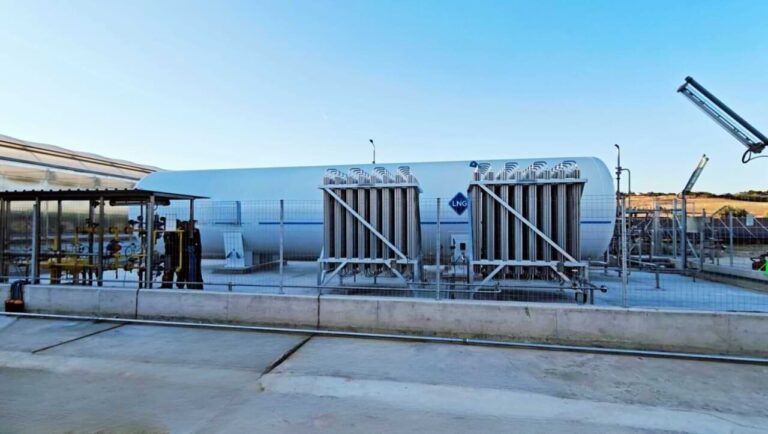
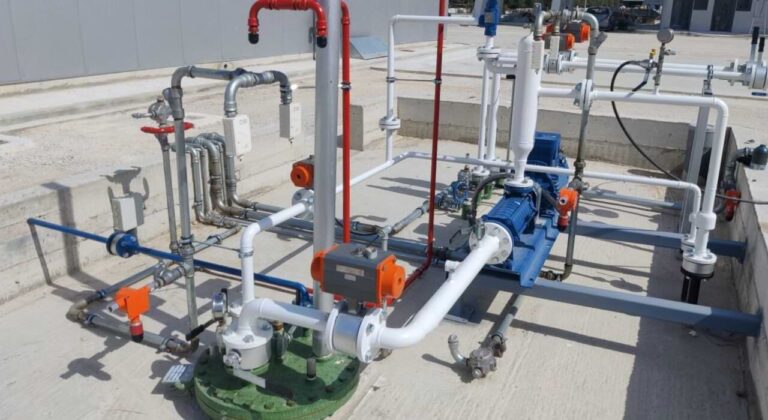
Industrial pipes are essential products for transporting liquids and gases such as natural gas, oil, water, etc. They usually operate under pressure, so their safe and proper operation is extremely critical for the safety of facilities, the protection of the environment, and the smooth implementation of critical industrial processes.
Pipe production inspections (steel, polyethylene) are specified by international and European standards (ELOT EN 10208:2009, ELOT EN 1555:2010, ELOT EN ISO 3183:2019, API 5L:2020, API 5CT:2011, DIN 2460:2006, DIN 2470:1987, DIN 8074:2011, DIN 30670:1991).
Initial Pipe Production Inspection
The initial inspection is carried out during the production of a pipe and includes, indicatively:
- Inspection for compliance with manufacturing standards
- Inspection of pipe material certificates
- Visual inspection: dimensions, surface defects, coatings
- Mechanical tests in accordance with the requirements of the relevant standard
- Weld inspection using non-destructive methods (RT, UT, MT, PT)
- Hydraulic or pneumatic pressure test
Periodic Pipe Inspection
Periodic inspection aims to identify failures (e.g., wear, corrosion, and cracks). Greek legislation and international standards specify indicative re-inspection intervals based on the fluids transported. They usually provide for partial re-inspection every 1-2 years and full re-inspection approximately every 5 years.
Periodic inspections typically include:
- Visual inspection for corrosion, deformations, mechanical damage
- Ultrasonic (UT) wall thickness testing
- Leak testing
- Cathodic protection testing (for steel pipes)
- Verification of good coating condition
- Pressure tests (depending on network category and legislation)
Relevant Documents
General Inspection Regulation
Product Certification Regulation