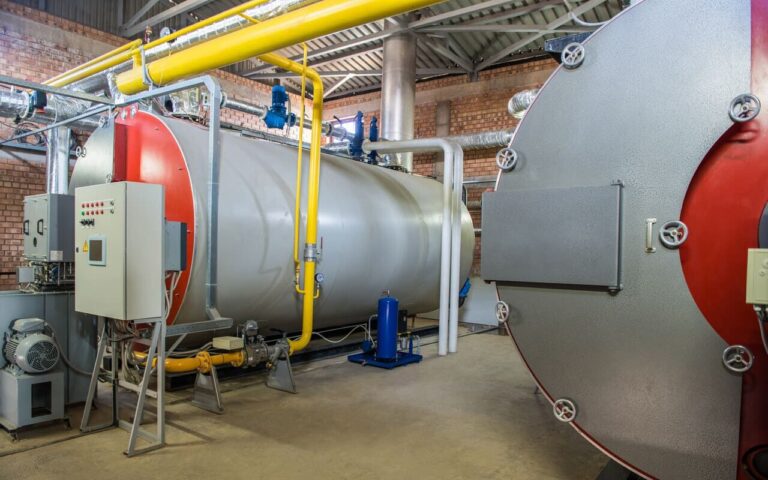
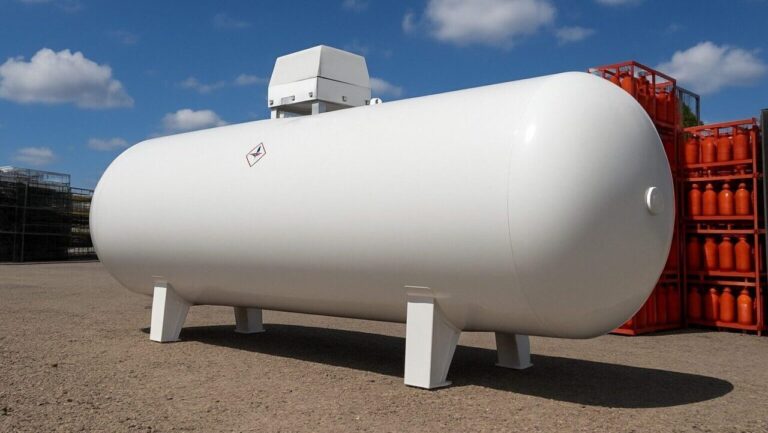
Air vessels are classified as pressure equipment and are critical components of industrial facilities. They are designed for the safe storage and regulation of compressed air. An air vessel is incorporated into a wide range of applications, from heavy industrial plants and workshops to energy infrastructure, gas stations, and material transport or cutting systems.
Current legislation requires mandatory initial and periodic technical inspections and certification of air vessels, with the aim of ensuring the safety of individuals and the facility and preventing accidents.
The certification process of an air vessel ensures the technical adequacy and structural integrity of the equipment, as well as its compliance with applicable legislative and regulatory requirements.
Air Vessel Initial Inspection - CE Marking
The certification for CE marking is mandatory for all air vessels and aims to ensure their legal distribution and use in the European Union in accordance with European Pressure Equipment Directive 2014/68/EU. The inspection is carried out by a Notified Body, such as Ergocert Hellas S.A., at the request of the manufacturer.
During the inspection the Body examines the design, monitors the vessel’s construction, conducts intermediate and final inspections and assesses the overall compliance of the construction with the requirements of European Directive 2014/68/EU and the design standard for the manufacturer of the air vessel.
Air Vesel Periodic Inspection
According to current national legislation (FEK 673/B/1993), air vessels are subject to mandatory periodic technical inspections, which are the responsibility of the owner. Specifically, the first periodic inspection is carried out five (5) years after the initial certification of the vessel’s construction and is repeated every five years.
More specifically, the periodic inspection of air vessels includes the following stages:
- Identification and marking check (manufacturer's plate)
- Review of technical documentation (construction documents and/or previous periodic inspection certificate)
- Thickness measurement of plates (bottoms and shells)
- External visual inspection to identify corrosion, damage, cracks, or deformations
- Internal visual inspection, where possible, for additional assessment of the internal condition of the vessel
- Safety valve inspection
- Hydraulic test with pressure equal to 1.5 times the maximum allowable operating pressure (PS) specified by the manufacturer
Relevant Documents
General Inspection Regulation
Product Certification Regulation
Related Services